Late 2024
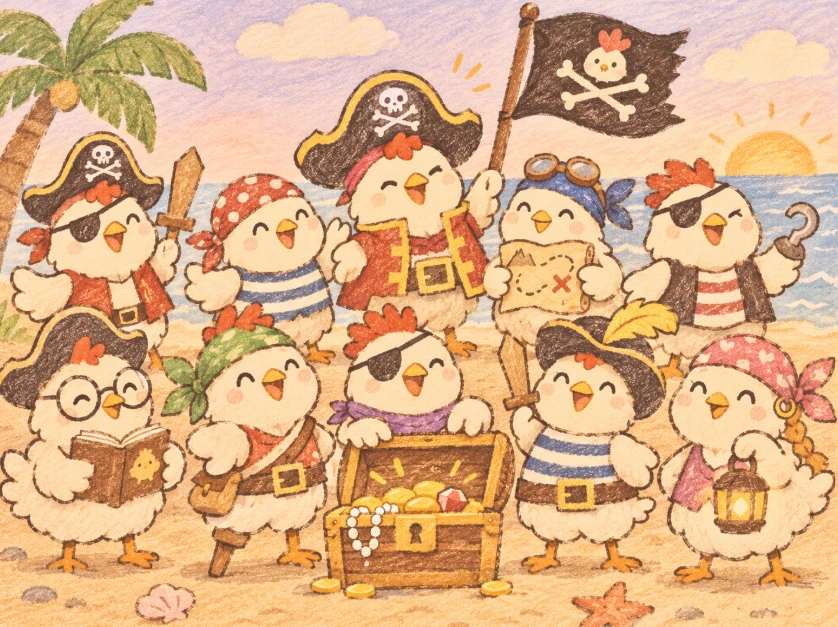
Then came the chicken pirates
Bedtime stories turned into a whole recurring universe.
Characters came back. Places developed histories. AI memory helped keep the world going.
My favourite recurring characters were the chicken pirates.
The kids quickly noticed when a character behaved wrong, a story became boring, or AI forgot something important.
So we changed it.
What we learned: generating a story is easy. Building a good one takes ideas, consistency and iteration.
August 2026
Scary Bloody Bunnycat meets Merman Mage
The characters got more ambitious.
One child created Scary Bloody Bunnycat.
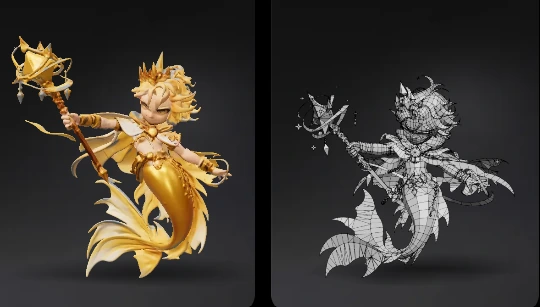
The other created Merman Mage.
Their personalities came through pretty clearly.
We moved from drawings to AI-assisted character design, then into Tripo, 3D models and eventually 3D printing.
That introduced a new problem: something can look great on a screen and still be terrible to print.
Thin arms break. Details disappear. Shapes need support.
What we learned: making something real forces you to understand the design, not just generate it.
September 2026
Cats Are Hot, Dogs Are Not
Then came AI music.
The standout was Cats Are Hot, Dogs Are Not, an unapologetic Europop banger.
Suno could make a song quickly. Getting the song we actually wanted took more work.
Change the style. Rewrite the idea. Try again.
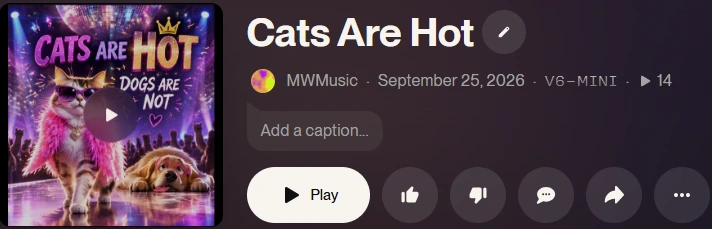
What we learned: AI can generate the music. Taste is still ours.
October–November 2026
The characters became games
This is where everything started joining up.
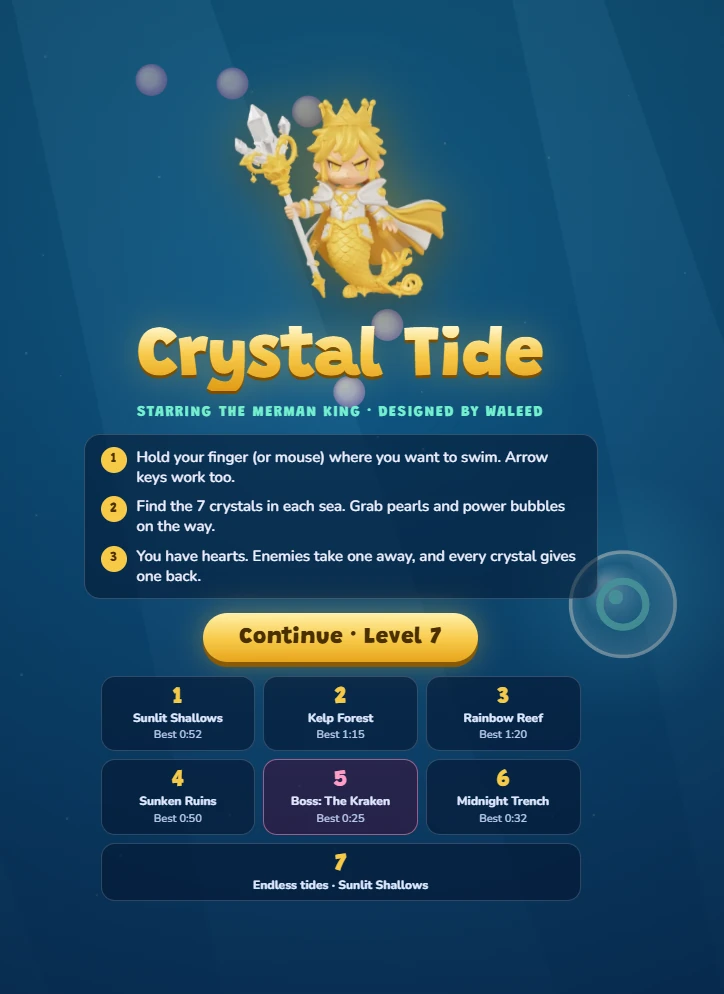
The kids’ characters moved from drawings and 3D models into actual games we built with Claude.
Now the questions were different:
How should the character move?
What powers should it have?
Is this level actually fun?
Why did that break?
Can we make it harder?
The exciting part wasn’t that AI could make a game.
It was that we could now build something together that none of us would have known how to build before.